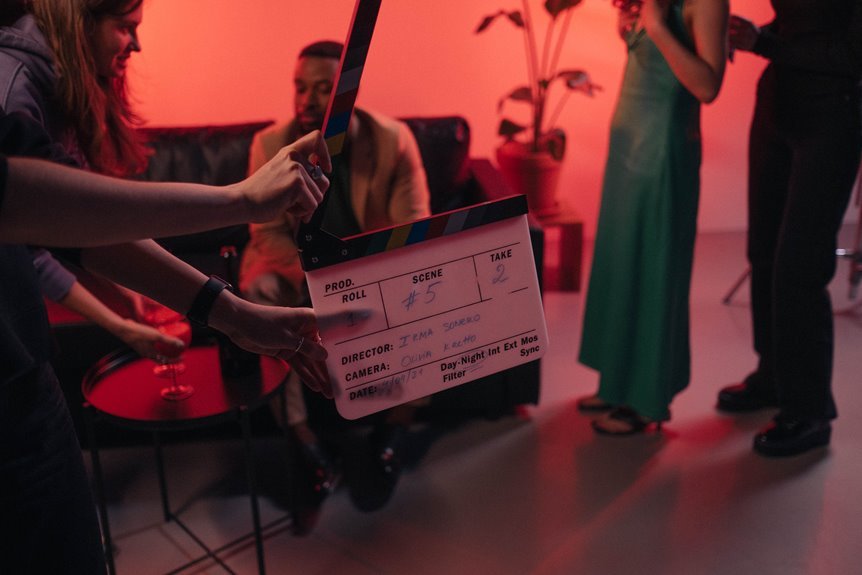
Timothy Shalloway’s career reflects disciplined autonomy in directing, where craft shapes narrative impact. His projects mix indie sensitivity with project-driven rigor, prioritizing purposeful image and sound on a lean budget. Early works favor concise pacing and restrained aesthetics, while collaborations quietly sharpen tonal clarity and risk. Across intimate to austere tones, his films probe resilience, moral ambiguity, and connection, guided by visual storytelling and refined pacing. The trajectory invites scrutiny of choices that keep his audience—and curious observers—watching closely for what comes next.
Who Is Timothy Shalloway? A Quick Career Snapshot
Timothy Shalloway is a filmmaker whose career blends independent sensibility with a track record of consistent, project-driven output. He operates with a measured clarity that foregrounds craft over hype, delivering purposeful images and sound.
His approach leverages timely techniques and budget storytelling to maximize resonance, inviting audiences to participate in restrained, meaningful narratives while preserving creative autonomy and professional discipline.
Early Works and Breakthrough Moments in Filmography
From a foundation built on careful craftsmanship and independent sensibilities, Shalloway’s early projects established his steady command of form and mood.
Early works reveal disciplined ideation failures and adaptive problem solving, where raw concepts faced budgetary constraints but sharpened his formal instincts.
These breakthroughs demonstrate concise storytelling, precise pacing, and a restrained lens that forecast a disciplined, autonomous directing voice.
Collaborations That Shaped His Directing Voice
Collaborations have quietly underpinned Shalloway’s evolving directing voice, shaping his approach through the selective harmonization of talent, vision, and craft. His work reveals how collaboration networks scaffold risk-taking and discipline, enabling sharper pacing and tonal clarity.
The directing voice evolution rests on discerning partners, iterative feedback, and strategic accents, where mutual trust converts ideas into controlled, expressive cinematic choices without surrendering personal intention.
Notable Themes, Genres, and Audience Reception Across Films
Across Shalloway’s body of work, recurring motifs emerge with deliberate precision, mapping a tonal spectrum that traverses intimate character study, bleak social realism, and laconic genre forms. Notable themes include resilience under pressure, moral ambiguity, and human connection within fractured systems. Cinematic influences inform technique, while visual storytelling conveys mood and subtext, shaping varied audience reception across films with disciplined, measured, and sometimes provocative clarity.
Frequently Asked Questions
What Upcoming Projects Is Timothy Shalloway Developing?
Upcoming projects are not publicly disclosed; the developing process remains confidential. The inquiry notes ongoing exploration, speculative partnerships, and iterative scripting, with timelines fluid. Observers should anticipate measured announcements detailing scope, collaborators, and creative direction as plans crystallize.
How Does His Directing Style Evolve Across Genres?
The director’s approach shifts across genres, revealing a measured adaptability that foregrounds mood, pacing, and audience expectation; in practice, it remains restrained, yet increasingly experimental—an unrelated topic emerges as a reflective counterpoint, prompting off topic considerations and nuance.
Which Films Failed Commercially but Gained Cult Status?
Cult classics emotionalize enduringly; commercially failed films, nonetheless, achieved notable boxoffice and cult status, signaling skeptical yet steadfast audiences. The films endure, prompting evaluative insights: audacious ambitions outlasting market metrics, revealing fearless, free-spirited cinephilia behind surprising, stubbornly resilient releases.
What Unreleased Scripts Are Linked to His Career?
Unreleased scripts surface as speculative artifacts tethered to his career links; they illustrate potential trajectories rather than confirmed outcomes, inviting critical appraisal of intent, feasibility, and impact within a broader creative ecosystem.
How Has Streaming Influenced His Filmography Choices?
Streaming influence reshapes his filmography choices by prioritizing broader distribution and platform-specific projects, prompting selective collaborations and genre shifts; the result is a measured diversification aimed at audience reach and creative flexibility within evolving markets.
Conclusion
Timothy Shalloway’s body of work emerges as a disciplined, autonomous craft—economy of image, sound, and pacing guiding meaning more than dialogue. His films favor intimate terrains and moral ambiguity, where resilience and human connection are pursued with laconic restraint rather than ornate flourish. Collaborations subtly sharpen tonal clarity and risk, producing a cohesive voice across diverse projects. In sum, his career proves that “less is more,” delivering precise, purposeful cinema that rewards attentive, patient viewership.